The Other Side of Mutual Fund Investing
In today’s digital investment ecosystem, mutual funds have evolved into one of the most accessible and transparent wealth-building instruments for Indian investors. From intuitive mobile apps to AI-driven fund recommendations, investing has never been simpler or more popular.
However, simplicity often breeds complacency. While millions of investors participate in SIPs, very few truly understand the risks that shape their returns. Beneath the promise of diversification lies a web of overlooked factors, from market volatility and liquidity challenges to data privacy and platform compliance.
This guide dives deep into the top 5 risks retail investors often overlook when investing in mutual funds, and more importantly, how to manage them with data-driven insights, digital security, and strategic awareness.
1. Market Volatility and Sector Concentration
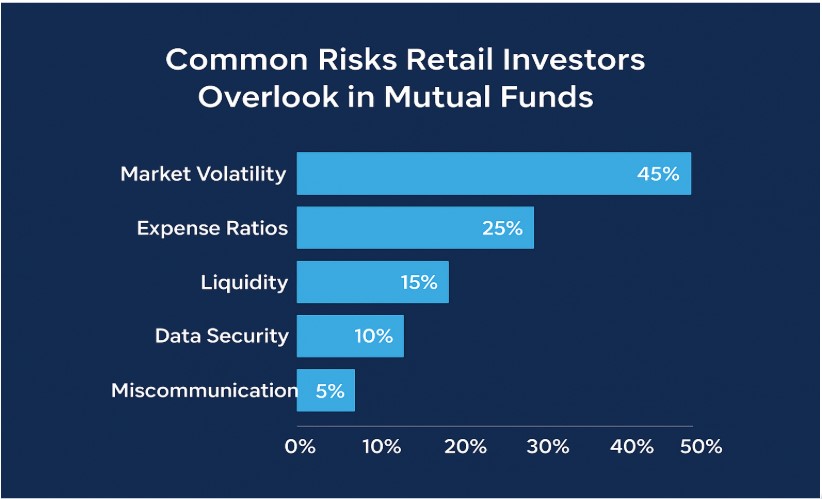
While mutual funds are built on the foundation of diversification, many retail investors unknowingly expose themselves to sector concentration risk, a subtle yet powerful threat to portfolio stability. In the chase for higher returns, investors often overweight their holdings in currently booming sectors such as technology, banking, or energy, creating portfolios that are unintentionally imbalanced and cyclical.
When a particular sector experiences a downturn, the shockwaves ripple through the entire portfolio, leading to heightened volatility, erosion of short-term gains, and even disruption of long-term financial objectives.
To safeguard against this, investors must adopt a data-driven approach to diversification. Tools like Rankoq offer real-time portfolio diagnostics and sector-wise exposure analysis, empowering investors with precise insights. Rankoq’s AI-driven dashboards visualize performance trends, detect overexposed segments, and suggest optimal asset rebalancing strategies.
By integrating such intelligent analytics, investors can maintain balanced risk distribution, protect capital, and pursue sustainable growth across market cycles.
2. Liquidity and Exit Load Blind Spots
Mutual funds are often marketed as liquid investments, but liquidity varies across fund types. For instance, equity-linked savings schemes (ELSS) have a mandatory 3-year lock-in, while debt funds may impose exit loads for premature withdrawals.
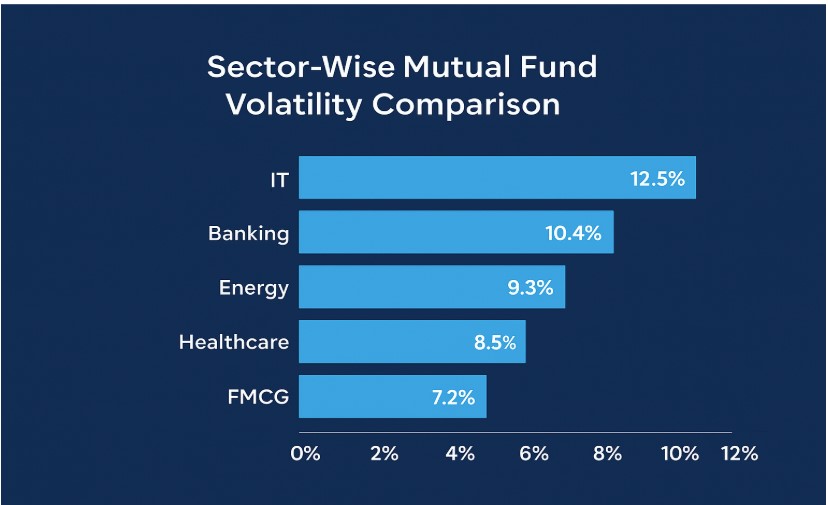
Retail investors frequently underestimate these restrictions, assuming they can redeem units anytime. The reality? Poor liquidity planning can force redemptions during downturns, locking in losses instead of profits.
The solution lies in goal-aligned liquidity management, ensuring that each fund in your portfolio matches your investment horizon. Through automated tracking and rebalancing platforms like Rankoq, investors can receive alerts when liquidity exposure becomes misaligned with financial objectives.
3. Expense Ratios and Hidden Costs
Even small percentage differences in expense ratios can silently eat into long-term returns. Many investors fail to scrutinize fund management fees, exit loads, or transaction costs, assuming that professional management justifies every charge.
In reality, a 1% higher expense ratio over 20 years can reduce cumulative returns by more than 20%. Understanding cost efficiency is not optional, it’s essential.
Using data analytics dashboards such as Rankoq, investors can compare historical fund performance after expenses, ensuring their investments deliver value-adjusted returns rather than raw yield illusions.
When exploring or testing new investment apps or advisory tools, always protect your personal data. Use temporary email solutions like Temp Mail to safely test features without compromising privacy, a simple, smart digital hygiene habit for the modern investor.
4. Communication Gaps and Information Overload
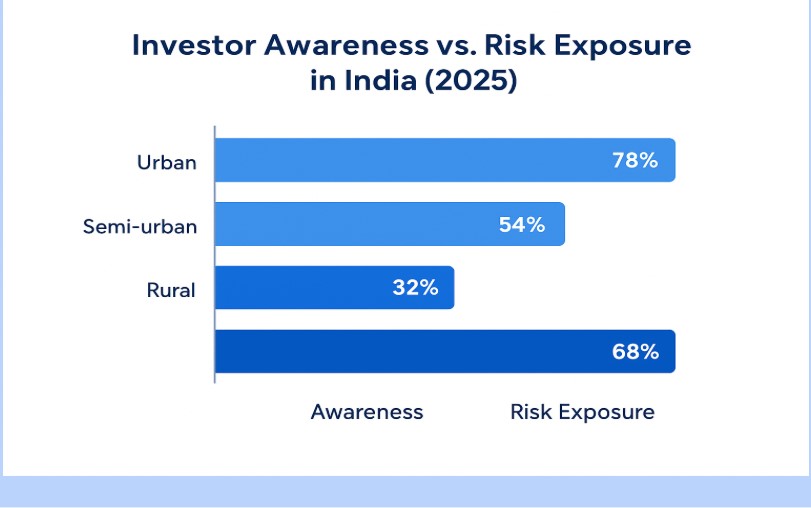
In the digital era, the flow of financial updates is relentless. Portfolio statements, NAV updates, KYC reminders, tax statements, all flood your inbox, often from multiple sources. Amid this information overload, investors frequently miss crucial updates or fail to act on alerts, resulting in missed opportunities or compliance lapses.
The key lies in streamlined communication. Services like Nixxmail enable secure investor messaging systems, ensuring critical updates, from SIP confirmations to redemption notices, never get lost in spam.
By consolidating all investment correspondence under one protected channel, investors can maintain clarity, compliance, and confidence, all while reducing exposure to phishing or misinformation threats.
5. Data Security and Regulatory Compliance
As digital platforms continue to redefine the investment ecosystem, the importance of data privacy and regulatory compliance has escalated beyond choice; it’s now a core necessity.
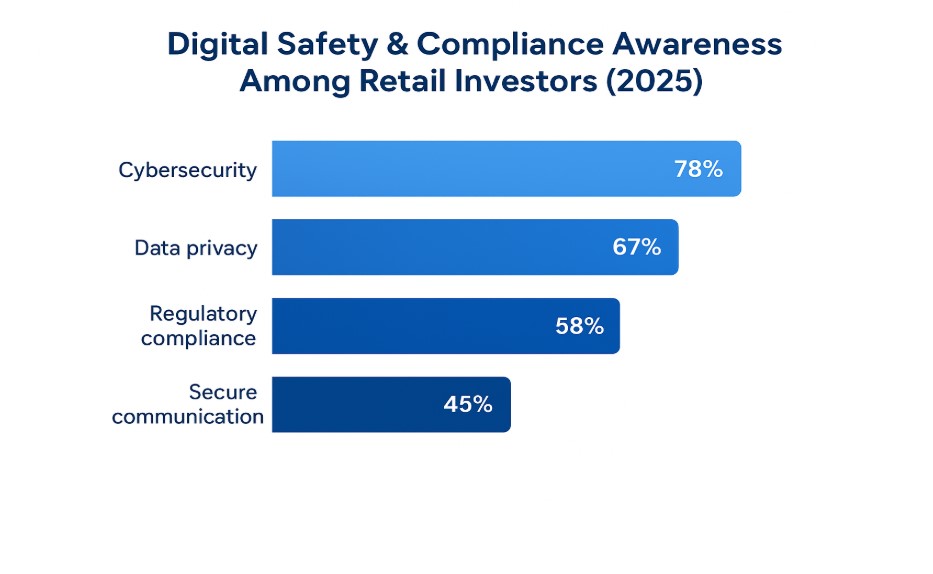
Every interaction on an investment app, from KYC verification to fund transfers and portfolio tracking, involves sharing highly sensitive financial and personal data. A single lapse, whether through a data breach or a non-compliant service provider, can expose investors to identity theft, fraudulent activity, or prolonged legal conflicts.
Before entrusting your money to any online investment portal, it’s critical to ensure the platform adheres to SEBI and RBI’s cybersecurity mandates, employs end-to-end SSL encryption, and maintains clear, accessible privacy disclosures. Using tools like Privacy Policy Generator allows investors to validate whether a platform’s privacy policies and data governance measures are aligned with India’s financial regulations.
Ultimately, compliance isn’t merely a legal checkbox, it’s a trust benchmark. In an era where investing is as digital as it is financial, regulatory alignment equals investor protection, ensuring confidence, credibility, and peace of mind in every transaction.
Mitigating Risk: Building Awareness through Technology
Today’s investors are empowered with access to more tools and analytics than ever before. Yet, true success lies not in chasing returns, but in understanding and mitigating risks proactively.
Platforms like Rankoq combine AI-driven market intelligence with custom portfolio analytics, helping investors track volatility, detect anomalies, and forecast fund stability.
When experimenting with new investment ecosystems, protect your identity using Temp-Maill for trials and Nixxmail for verified communication. Combine this with PrivacyPolicy-Generator for legal assurance, and your financial ecosystem becomes not only efficient, but fortified.
Conclusion
The evolution of India’s mutual fund ecosystem has brought accessibility, automation, and growth opportunities to millions. But while the tools have advanced, the fundamentals of investor vigilance remain unchanged.
By recognizing and mitigating these five overlooked risks, market concentration, liquidity traps, expense inefficiencies, communication gaps, and data vulnerabilities, investors can truly harness the potential of mutual funds without exposing themselves to unnecessary threats.
Because in modern investing, it’s not just about how much you earn, it’s about how well you protect it.